

No products in the cart.
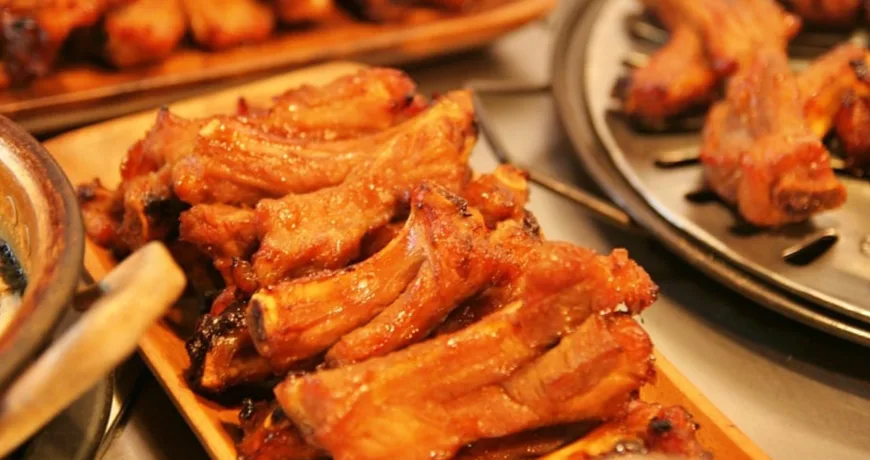
Maeun Deunggalbijjim || Intensely Spicy and Savory Braised Pork Ribs, 매운등갈비찜 5
Maeun Deunggalbijjim (매운등갈비찜) is a beloved and intensely flavorful Korean dish featuring tender pork back ribs (deunggalbi, 등갈비) braised in a rich, spicy, and savory sauce with a medley of vegetables. “Maeun” (매운) signifies the prominent spiciness that defines this dish, making it a favorite among those who enjoy a fiery kick. Deunggalbijjim is a hearty and satisfying meal, often enjoyed in social gatherings and known for its ability to warm the soul and tantalize the taste buds.
The Star: Tender Pork Back Ribs (Deunggalbi)
The core of Maeun Deunggalbijjim is the pork back ribs. These are typically meaty and flavorful cuts that, through the slow braising process, become incredibly tender, often falling off the bone. The richness of the pork complements the intense flavors of the sauce, creating a deeply satisfying and savory base for the dish.
The Fiery, Savory, and Slightly Sweet Sauce
The sauce is the heart and soul of Maeun Deunggalbijjim, delivering a powerful punch of flavor. Key ingredients that contribute to its complexity include:
- Korean Chili Powder (Gochugaru, 고춧가루): The primary source of the dish’s signature spiciness. The amount used can be adjusted to cater to different levels of heat tolerance.
- Korean Chili Paste (Gochujang, 고추장): Adds a deeper, fermented spiciness along with a touch of sweetness and umami.
- Soy Sauce (Ganjang, 간장): Provides a savory foundation and depth of flavor.
- Garlic (Maneul, 마늘) and Ginger (Senggang, 생강): Essential aromatics that add pungency and warmth.
- Rice Syrup (Ssalyeot, 쌀엿) or Sugar ( 설탕): A touch of sweetness helps to balance the intense spiciness and savory notes.
- Sesame Oil (Chamgireum, 참기름): Adds a nutty and fragrant aroma.
- Ground Black Pepper (Huchu, 후추): Contributes a subtle heat and earthy note.
- Often: Pureed fruit like pear or apple is added for natural sweetness and to help tenderize the meat.
The resulting sauce is a thick, rich, and vibrant concoction that coats the ribs and vegetables beautifully, delivering a complex flavor profile that is intensely spicy, deeply savory, and subtly sweet.
A Medley of Vegetables for Flavor and Texture
Maeun Deunggalbijjim typically includes a variety of vegetables that not only add nutritional value but also absorb the flavorful sauce and provide textural contrast:
- Potatoes (Gamja, 감자): Offer a starchy and comforting element, soaking up the spicy sauce.
- Carrots (Danggeun, 당근): Add a touch of sweetness and color.
- Onions (Yangpa, 양파): Contribute sweetness and a subtle pungency.
- Scallions (Pa, 파): Provide a fresh, oniony flavor.
- Often: Korean rice cakes (tteok, 떡) are added for a chewy texture and to soak up the sauce. Mushrooms like shiitake or oyster mushrooms may also be included for their earthy flavor.
Textural Harmony: Tender Meat and Soft Vegetables
The long braising process ensures that the pork ribs become incredibly tender, often falling off the bone with a gentle touch. The vegetables also become soft and infused with the flavorful sauce, creating a harmonious blend of textures that is both comforting and satisfying. The chewy rice cakes, if included, add another layer of textural interest.
Cultural Significance and Enjoyment
Maeun Deunggalbijjim is a popular dish in Korea, often enjoyed in casual restaurants and at home. Its spiciness makes it a favorite for those who crave bold flavors, and it’s often shared among friends and family. It’s a hearty and substantial meal that is particularly comforting during colder weather.
How It’s Typically Enjoyed
Maeun Deunggalbijjim is usually served hot in a large pot, often garnished with sesame seeds and chopped scallions. It is typically enjoyed as a main dish with steamed rice (bap, 밥) to help balance the spiciness. Diners use chopsticks to pull apart the tender ribs and enjoy them with the flavorful sauce and soft vegetables. The sauce is often so delicious that people enjoy dipping their rice into it or even using it to stir-fry leftover rice.
In conclusion, Maeun Deunggalbijjim is a fiery and flavorful Korean braised pork rib dish that delivers a powerful combination of tender meat, soft vegetables, and an intensely spicy, savory, and subtly sweet sauce. Its bold flavors and satisfying textures make it a popular and comforting meal enjoyed by spice enthusiasts and those seeking a hearty and delicious Korean culinary experience.l ages.r remedy, it’s a simple yet deeply satisfying dish that is cherished for its clean taste and restorative qualities. dish that embodies the taste of the Korean coast and is enjoyed by many as a delightful seafood delicacy.ature, it’s a comforting and flavorful dish that offers a unique taste of Korean cuisine.

This image was created using customized data from the Korea Tourism Organization's TourAPI, which is freely accessible under the Public Domain License Type 3. This data can be downloaded for free from api.visitkorea.or.kr. (본 이미지는 ‘한국관광공사’에서 작성하여 공공누리 제3유형으로 개방한 ‘한국관광공사 TourAPI의 맞춤형데이터’를 이용하였으며, 해당 저작물은 ‘api.visitkorea.or.kr’에서 무료로 다운받으실 수 있습니다.)
This Maeun Deunggalbijjim is like a Purification Ritual that most fiercely confronts and sublimates the pain of life.
The firm bone of the pork rib is the fateful manifestation left by life’s adversity, and the red sauce is the tear of fire that melts that adversity through passionate struggle.
As the juices and spiciness crash over the mouth like rough waves, the sweat and tears achieve perfect balance, granting an ecstatic catharsis.
The act of separating the last bit of meat from the bone is the proof of a solemn will, acknowledging pain and gaining the strength to rise again.
이 매운 등갈비찜은 삶의 고통을 가장 뜨겁게 직시하고 승화시키는 정화의 의식 같아.
등갈비의 단단한 뼈는 인생의 고난이 남긴 운명적인 형상이고, 붉은 양념은 그 고난을 격정적인 투쟁으로 녹여낸 불의 눈물인 거지.
입안에서 육즙과 매운맛이 거친 파도처럼 덮칠 때, 땀과 눈물이 완벽한 균형을 이루며 황홀한 카타르시스를 선사해.
뼈에서 마지막 살점을 분리하는 행위는, 고통을 인정하고 다시 일어설 힘을 얻는 비장한 의지의 증명이야.
As the plate settles on the table, a spicy, pungent red aroma rises through the thick steam, striking your senses first. This visual crimson signals a ‘delicious stimulation’ to your brain before you even take a bite.
The moment you bite into a chopstick-full of bean sprouts, a crisp ‘crunch’ echoes in your ears. Even amidst the scorching sauce, the bean sprouts retain their vitality, exploding with texture in your mouth.
Then comes the protagonist, Hwangtae (Dried Pollack). Having endured repeated freezing and thawing in the winter winds of the drying fields, its sponge-like flesh deeply absorbs the rich sauce. The more you chew, the more the savory, nutty flavor of the pollack gently embraces the spice.
The crunch of the sprouts, the umami of the pollack, and the sharp kick of the spicy seasoning form a perfect trio. Beads of sweat may form on your forehead, but the immersive experience makes it impossible to put down your chopsticks.
Swallowing the last bite leaves you not just full, but cleansed—as if stress has been expelled with the heat. The satiety that follows an emptied bowl of rice is not just a meal; it is a form of ‘comfort.
식탁 위에 접시가 놓이는 순간, 자욱한 김 사이로 매콤하고 알싸한 붉은 향기가 피어오르며 침샘을 가장 먼저 타격합니다. 시각적인 붉음은 이미 뇌에서 ‘맛있는 자극’을 예고합니다.
젓가락 가득 집어 든 콩나물을 씹는 순간, ‘아작’하는 경쾌한 소리가 귓가에 울립니다. 뜨거운 양념 속에서도 숨이 죽지 않은 콩나물의 생명력이 입안 가득 터져 나옵니다.
이어지는 주인공, 황태. 덕장에서 겨우내 찬바람을 맞으며 스펀지처럼 포슬포슬해진 살결 사이로 진한 양념이 베어 나옵니다. 씹을수록 고소하고 담백한 황태의 풍미가 매운맛을 부드럽게 감싸 안습니다.
콩나물의 식감과 황태의 감칠맛, 그리고 혀끝을 때리는 맵싹한 양념이 입안에서 완벽한 삼중주를 이룹니다. 이마엔 땀방울이 맺히지만, 젓가락질을 멈출 수 없는 몰입의 시간이 이어집니다.
마지막 한 점을 넘기고 나면, 속은 든든하게 채워지고 땀과 함께 스트레스가 배출된 듯한 개운함만이 남습니다. 밥 한 공기를 비우고 난 뒤 찾아오는 포만감은 단순한 배부름을 넘어선 ‘위로’입니다.