

No products in the cart.
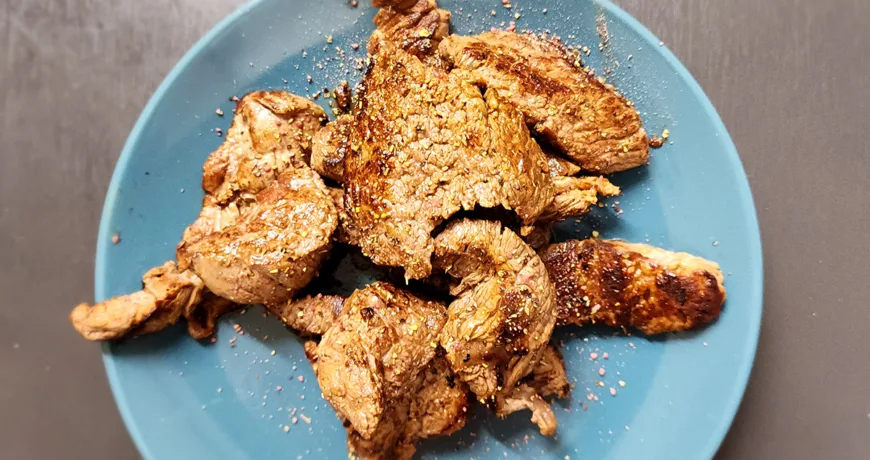
Ansimgui || Grilled Tenderloin, 안심구이 Leave a comment
Ansimgui (안심구이) refers to grilled beef tenderloin. “안심” (ansim) means tenderloin, and “구이” (gui) means grilling or roasted dish. It’s a popular Korean dish, prized for the tenderness and lean quality of the meat.
Characteristics of Tenderloin (안심):
- Tenderness: Tenderloin is known as the most tender cut of beef. It has very little connective tissue, resulting in a melt-in-your-mouth texture.
- Leaness: It’s a lean cut of meat with minimal marbling (intramuscular fat), making it a good choice for those who prefer leaner cuts.
- Higher Price: Due to its tenderness and limited quantity (each cow has only two tenderloins), it’s generally a more expensive cut of beef.
While the core concept is grilling tenderloin, there are variations in how it’s prepared:
- Charcoal grilling (숯불 구이 – Sutbul Gui): Grilling over charcoal imparts a smoky flavor that enhances the taste of the beef. This is often considered the best method for grilling any meat in Korea.
- Pan-frying (팬 구이 – Paen Gui): This is a convenient method for cooking at home using a frying pan or skillet.
- Hot plate grilling (철판 구이 – Cheolpan Gui): Cooking on a hot plate keeps the meat warm throughout the meal.
How to Grill Tenderloin at Home (Pan-frying Method):
- Prepare the meat: Choose tenderloin steaks that are about 2-3cm thick. Pat them dry with paper towels to remove excess moisture. Season generously with salt and freshly ground black pepper.
- Preheat the pan: Heat a heavy-bottomed skillet or cast-iron pan over high heat until it’s very hot.
- Sear the steak: Add a small amount of oil to the pan (high-heat oil like vegetable or canola oil is best). Place the steaks in the hot pan and sear for 2-3 minutes per side, or until a deep brown crust forms.
- Adjust cooking time for desired doneness: Reduce the heat to medium and continue cooking to your preferred level of doneness:
- Rare: Cool red center.
- Medium-rare: Warm red center.
- Medium: Warm pink center.
- Medium-well: Slightly pink center.
- Well-done: No pink remaining.
- Rest the steak: Once cooked, remove the steaks from the pan and let them rest for 5-10 minutes before slicing. This allows the juices to redistribute throughout the meat, resulting in a more tender and flavorful steak.
What to Serve with Ansimgui:
- Salt and pepper: To enhance the natural flavor of the beef.
- Whole grain mustard: Adds a tangy contrast to the rich meat.
- Wine: Red wine pairs well with beef.
- Grilled vegetables: Onions, asparagus, mushrooms, and bell peppers are good choices.
Where to Enjoy Ansimgui:
- Upscale restaurants: Steak houses and fine dining restaurants often feature tenderloin on their menus.
- Korean BBQ restaurants: Many Korean BBQ restaurants offer tenderloin for grilling at the table.
- Butcher shops/Meat markets: You can purchase tenderloin from a butcher shop or meat market to cook at home.
Ansimgui is a delightful dish for special occasions or when you want to treat yourself to a high-quality cut of beef. Its tenderness and delicate flavor make it a true culinary pleasure.

This content is licensed under a Creative Commons Attribution-NonCommercial-ShareAlike 4.0 International license. (Except for certain content with specific license terms.) Copyright for videos (such as YouTube) belongs to the respective copyright holders. Please note that some of the content on this blog may be unverified, biased, or contain errors. We encourage you to exercise critical thinking and verify information from multiple sources.